
How to master ricochet shooting puzzles and clear difficult stages in Stormshot

Stormshot: Isle of Adventure combines strategy and island exploration with a distinctive shooting puzzle system. Unlike traditional shooting games, its Sharpshooter challenges require players to calculate bullet trajectories, use environmental objects, and eliminate enemies with carefully planned shots.

As players advance through the campaign, puzzle stages become increasingly complicated. Enemies may hide behind obstacles, while moving platforms, explosive objects, and rotating mechanisms introduce additional challenges. Understanding how these elements interact is essential for completing difficult levels efficiently.

Here are several practical techniques to help players improve their Sharpshooter performance.

Study the Entire Stage Before Firing
One of the most common mistakes is shooting immediately after entering a new puzzle. Instead, take a moment to examine the positions of enemies, walls, obstacles, and interactive objects.

    Pay particular attention to:

    Enemy positions and possible lines of fire.
    Wall surfaces that can redirect bullets.
    Explosive containers that may damage nearby enemies.
    Moving platforms and rotating objects that affect bullet trajectories.

    Understanding the environment before firing helps prevent unnecessary shots and makes it easier to identify the most efficient solution.

    Use Ricochet Angles to Reach Hidden Enemies
    Ricochets are one of the defining mechanics of Stormshot. Bullets can bounce off walls and other suitable surfaces, allowing players to hit targets that cannot be reached through a direct shot.

      When planning a ricochet, consider the angle at which the bullet approaches the surface and the direction it will travel afterward. Aiming slightly away from an enemy can sometimes produce a more accurate result than shooting directly toward it.

      A useful approach is to identify the nearest reflective surface and mentally trace the bullet’s expected path before releasing the shot.

      With practice, players can recognize common trajectory patterns and solve more complicated stages with fewer attempts.

      Take Advantage of Environmental Mechanisms
      Later stages introduce interactive objects that can change the layout of a puzzle or create opportunities for multiple enemy eliminations.

        Some important mechanisms include:

        Exploding Boxes: These objects can create additional damage when triggered near enemies. Look for opportunities to use explosions instead of spending separate shots on individual targets.
        Moving Floors: Timing becomes important when platforms or surfaces change position. Observe their movement before firing to avoid missing targets.
        Rotating Iron Balls: Shooting these objects can change their position or movement, potentially affecting nearby enemies and opening new attack angles.

        The key is to understand what each object does before using it. A well-planned shot can sometimes trigger a chain reaction that clears several obstacles at once.

        Manage Your Ammunition Carefully
        Although some puzzles allow experimentation, wasting shots can make difficult stages unnecessarily frustrating.

          Instead of repeatedly firing at the same target, consider whether another route could reach it more efficiently.

          Try following this process:

          Identify the most difficult enemy to reach.
          Find possible ricochet surfaces around that target.
          Check whether environmental objects can eliminate multiple enemies.
          Choose a trajectory that covers the greatest number of targets.
          Adjust your aim after observing the result of each shot.

          This method encourages deliberate problem-solving rather than relying entirely on trial and error.

          Use Failed Attempts to Understand the Physics
          Not every shot will produce the expected result. However, unsuccessful attempts can reveal useful information about bullet behavior, collision surfaces, and object movement.

            If a bullet misses its target, pay attention to where its trajectory changed. Small adjustments to the shooting angle may be enough to reach an otherwise inaccessible enemy.

            Players should also remember that the game allows progression after repeated attempts through its available skip option on certain challenging stages. This can be useful when a particular puzzle becomes a significant obstacle.

            Progress Through Chapters to Unlock More Content
            Sharpshooter puzzles are connected to Stormshot’s broader progression system. Completing chapter missions helps unlock additional content and provides resources that support Stronghold development.

              Rather than focusing exclusively on puzzle stages, players should regularly check their chapter objectives and collect available rewards.

              This creates a more balanced progression path, allowing them to improve their island while continuing to unlock new challenges.

              Final Thoughts
              Mastering Stormshot’s Sharpshooter puzzles requires observation, patience, and an understanding of projectile physics. Learning how to use ricochets, trigger environmental mechanisms, and manageammunition can make even complicated stages easier to approach.

              Instead of relying on repeated shots, take time to study each environment and plan a trajectory before firing. With consistent practice, players can develop better aiming techniques and progress through Stormshot’s increasingly challenging puzzle stages more efficiently.
              How to win more territory battles and strengthen your alliance in Three Kingdoms Tactics

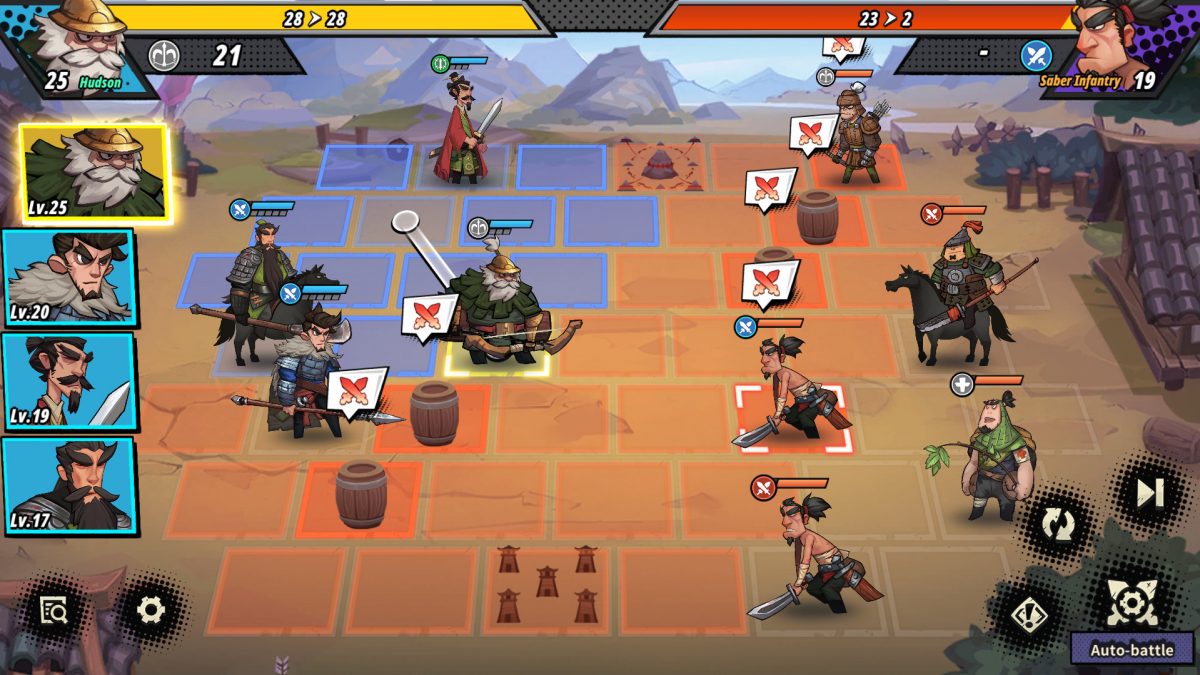
              Territory battles are among the most important parts of Three Kingdoms Tactics. While developing a powerful army is essential, long-term success depends on much more than individual troop strength. Players must understand the world map, manage their available resources, coordinate with alliance members, and make strategic decisions when competing for important locations.

              For players looking to become more competitive, learning how to approach territory expansion and large-scale warfare can make a significant difference.

              Plan Your Territory Expansion Carefully
              Expanding your territory is essential for improving resource production and gaining access to more valuable locations. However, occupying land without a clear strategy can quickly consume resources and leave your army vulnerable.

              Before expanding, consider the following:

              Prioritize valuable resources: Focus on territories that support your current development needs.
              Check enemy strength: Scout occupied locations before launching an attack.
              Maintain connected territories: Plan expansion routes carefully to avoid unnecessary detours.
              Protect important locations: Avoid spreading your forces too thin across the map.

              As your army becomes stronger, gradually move toward higher-level territories that offer better long-term benefits.

              Build an Effective Army for Territory Battles
              A successful army requires more than high-rated generals. Each team should have a clear tactical purpose, with officers whose abilities complement one another.

              When preparing a formation, consider the following elements:

              General Synergy: Some generals perform better when combined with officers who share compatible abilities or tactical effects. Look for combinations that improve damage output, survivability, or battlefield control.
              Troop Compatibility: Pay attention to troop specialization. Choosing units that match a general’s strengths helps improve overall battlefield performance.
              Skill Development: Invest in useful tactics rather than upgrading every available ability without a clear plan. A balanced combination of offensive and defensive effects can provide more consistent results.

              It is also important to prepare different formations for different opponents. A team that performs well against one troop composition may struggle against another.

              Understand the Importance of Alliance Coordination
              Alliance cooperation becomes increasingly important as competition for valuable territories intensifies. Individual players may be able to capture smaller locations, but major strategic objectives often require coordinated efforts.

              An effective alliance should establish clear priorities and communicate regularly. Members can coordinate attack schedules, share information about enemy movements, and support one another during defensive operations.

              Some useful alliance practices include:

              Organizing attacks on important cities and strategic locations.
              Sharing scouting information before major battles.
              Coordinating reinforcements when alliance territories are threatened.
              Assigning members different responsibilities based on their army strength.

              Good communication can prevent unnecessary losses and help an alliance use its available resources more efficiently.

              Prepare for Large-Scale Siege Battles
              City sieges require a different approach from ordinary territory battles. Instead of focusing exclusively on defeating individual enemy formations, players must work together toward a larger objective.

              Before starting a major offensive, make sure alliance members understand the attack plan. Coordinate troop movements, prepare sufficient resources, and avoid launching attacks without adequate support.

              Defensive preparation is equally important. Important locations should be monitored, and alliance members should be ready to respond when opponents attempt to capture valuable territory.

              Timing can also influence the outcome of a siege. A coordinated offensive is generally more effective than several unrelated attacks launched without communication.

              Manage Resources Throughout the Season
              Seasonal competition requires consistent preparation. Players should avoid spending all their resources on short-term improvements while neglecting essential upgrades.

              Focus on maintaining sufficient supplies for troop recruitment, general development, and city construction. It is also worth keeping some resources available for unexpected battles or important alliance objectives.

              Players exploring different progression options can browse Three Kingdoms Tactics Accounts on z2u.com to compare available listings. Reviewing general collections, account progression, server information, and seller details can help buyers make a more informed decision.

              Final Thoughts
              Winning territory battles in Three Kingdoms Tactics requires a combination of preparation, tactical knowledge, and teamwork. Strong generals provide an important advantage, but effective formations, careful resource management, and coordinated alliance operations are what help players maintain their position over time.

              By expanding strategically, adapting to enemy formations, and working closely with alliance members, players can improve their battlefield performance and become more influential throughout each competitive season.